
Handheld 3D Scanners & Portable CMMs
Professional and Powerful Metrology Tools for Reverse Engineering and Inspection.
Discover Digital Measurement and the Freedom of Portable 3D Scanners.
Portable 3D Scanners
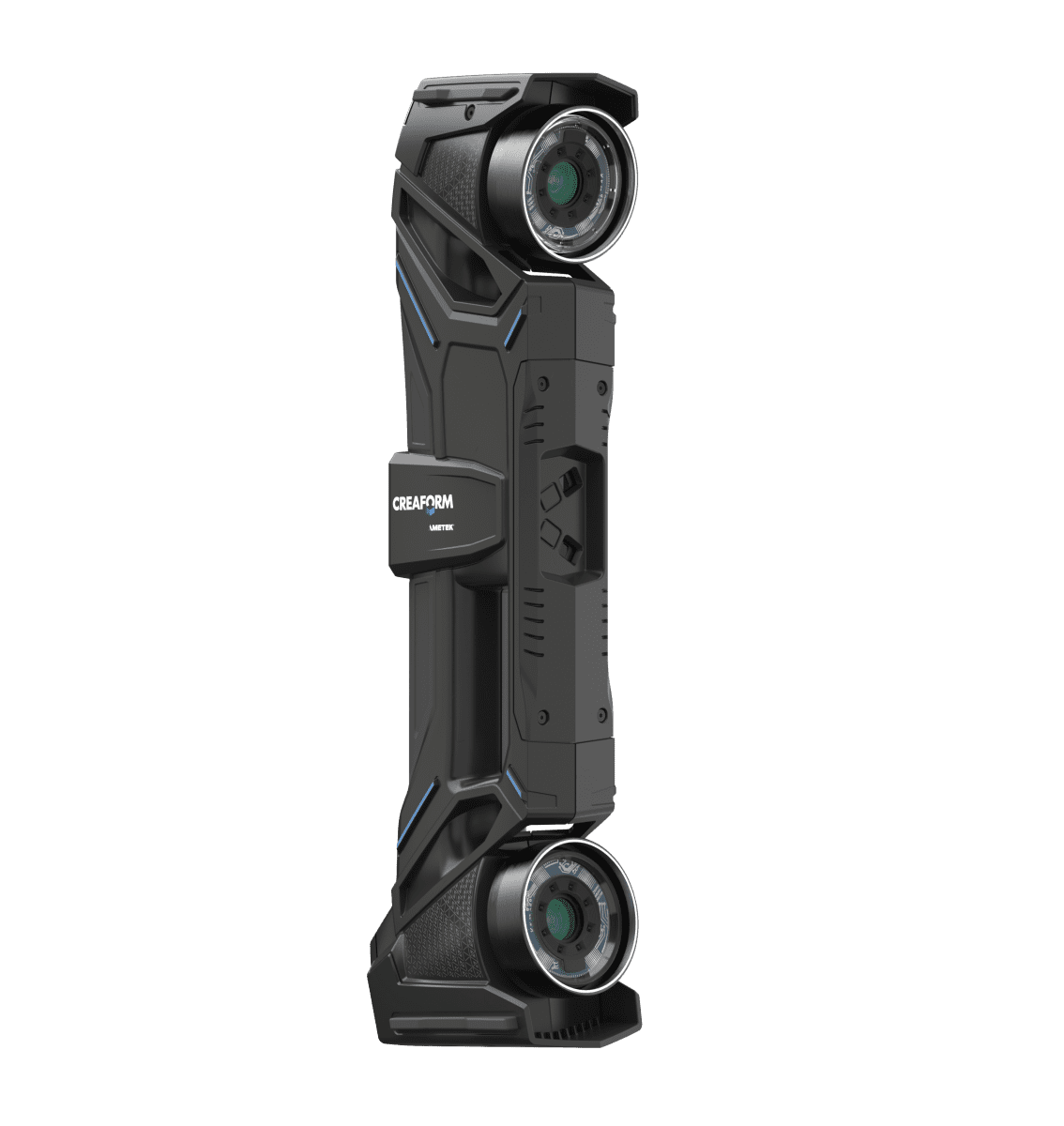
HandySCAN 3D | MAX Series
3D Scanning Small or Large Parts and Assemblies in a Matter of Minutes
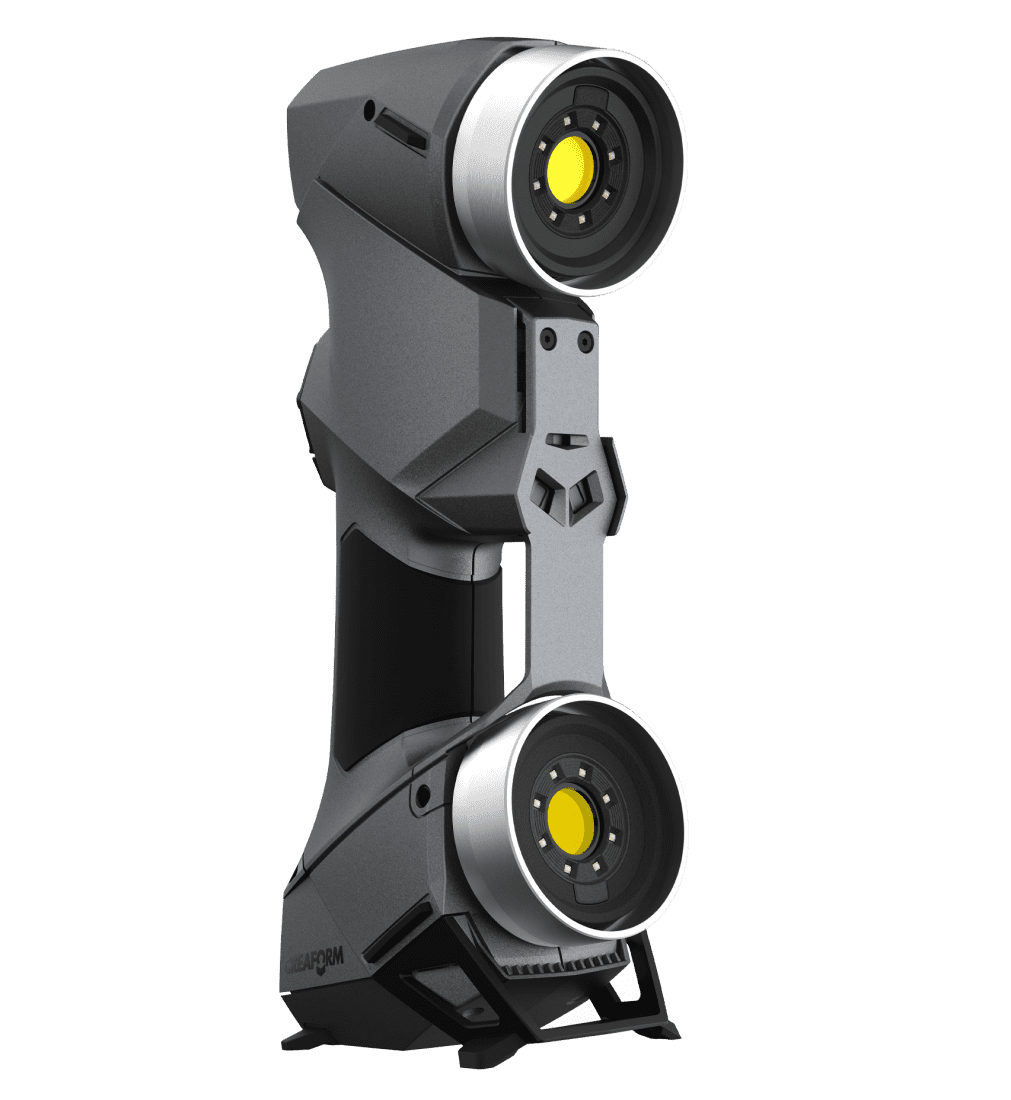
HandySCAN 3D | Silver Series
Metrology-grade Handheld 3D Scanners
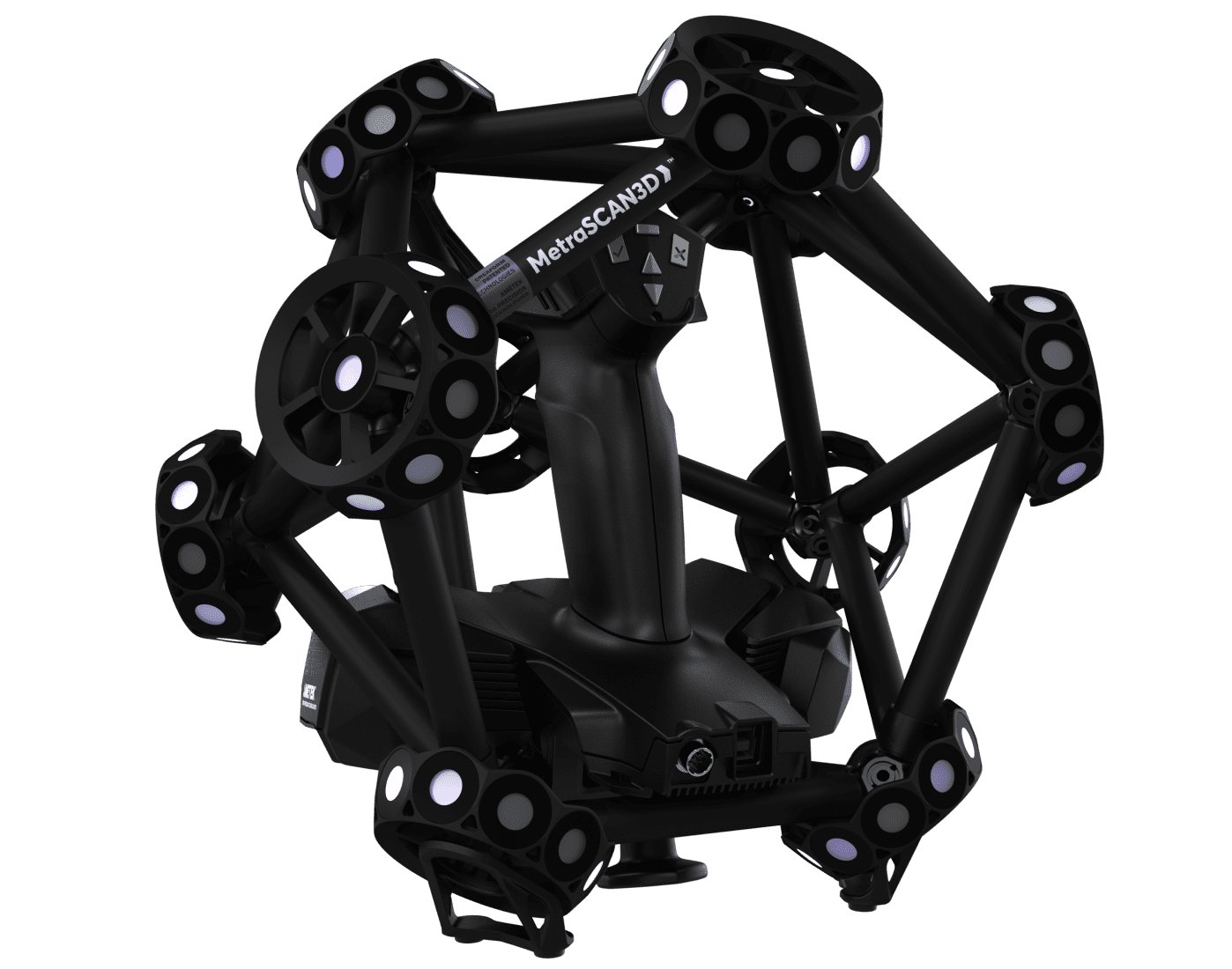
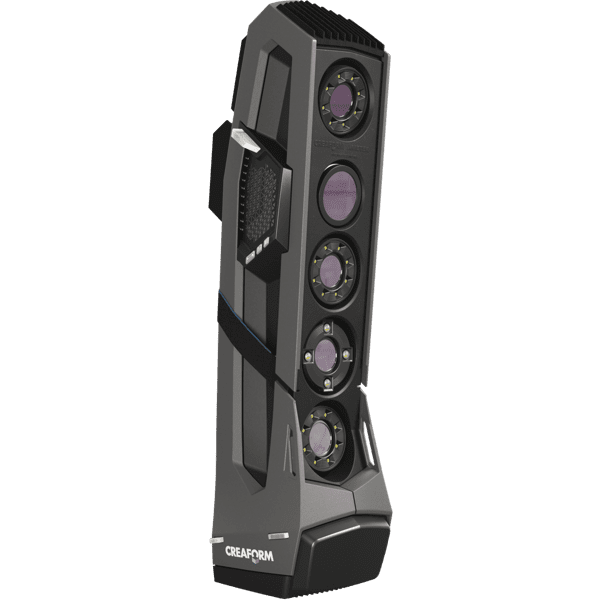
MetraSCAN Optical CMM 3D Scanner
The most flexible portable 3D measurement solution engineered for shop floor conditions
White Light 3D Scanners
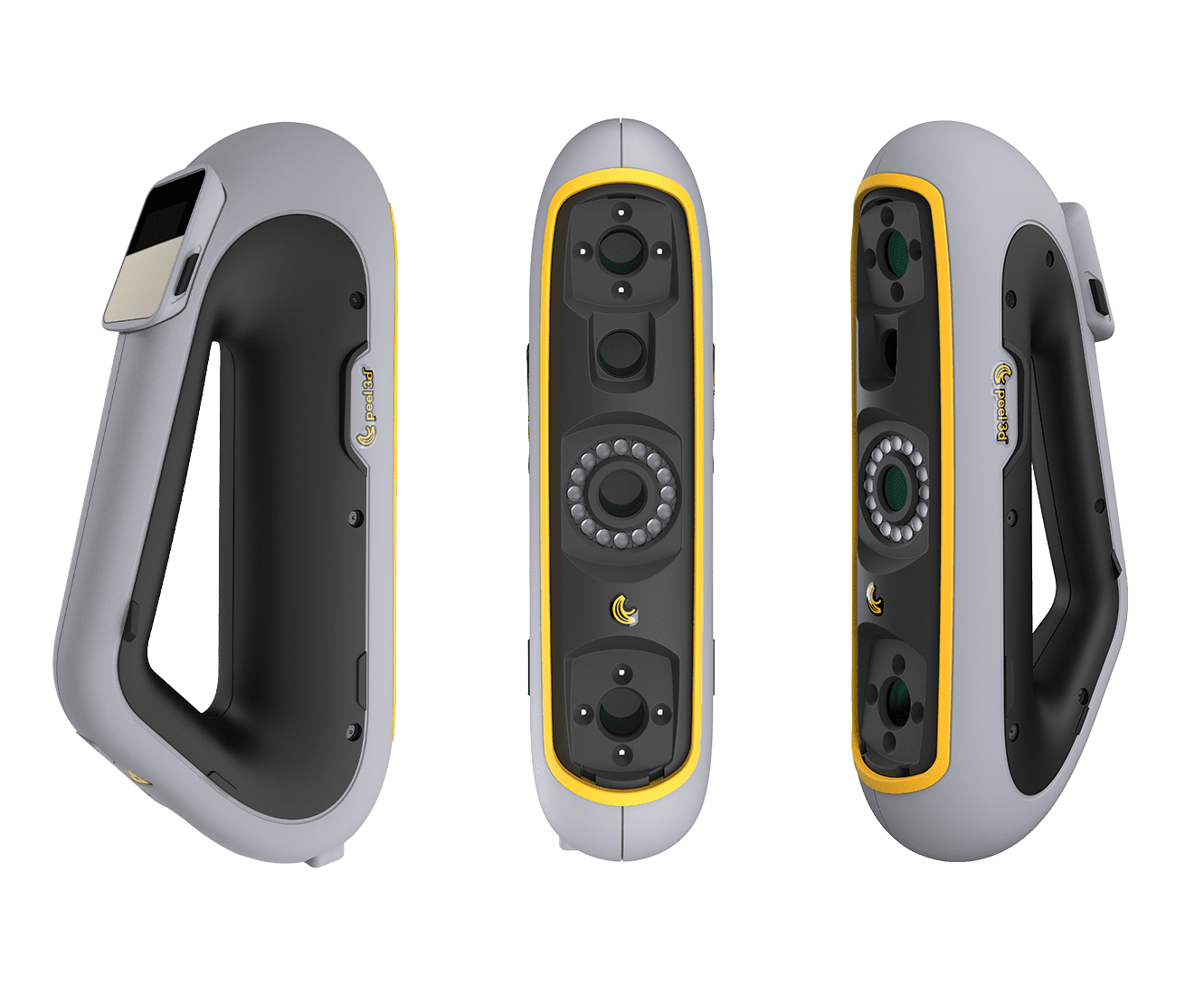
Peel 3D Scanner
Handheld and Easy-to-Use 3D Scanners for a Variety of Applications
Photogrammetry and Portable CMM
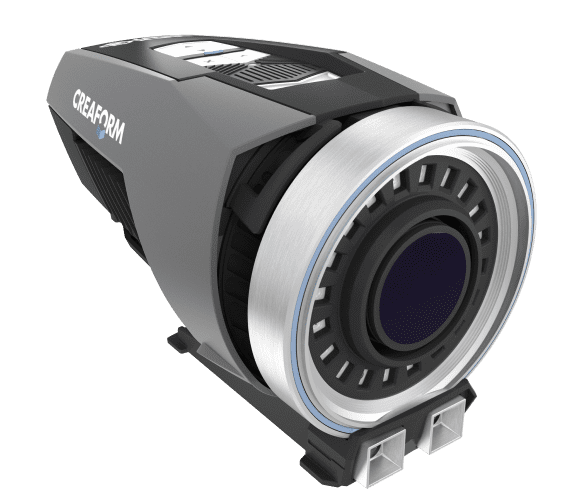
Creaform® MaxSHOT 3D
An Optical Coordinate Measuring System for Measurement Accuracy & Precision on Large-Scale Projects.
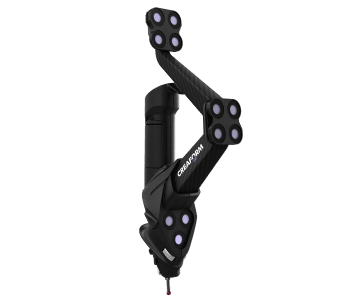
HandyPROBE Next
The Next Generation of Handheld Optical Coordinate Measuring Machines (CMMs)
Automated Quality Control
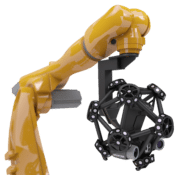
MetraSCAN 3D R-Series
Robot-Mounted Automation for 3D Scanning, Inspection and Quality Control
3D Scanning Software
3D Scanning Software for Reverse Engineering, Inspection and File Preparation
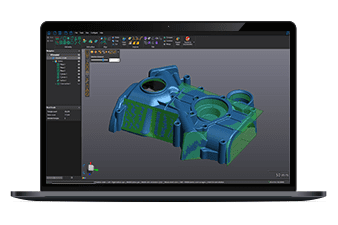
VXmodel
Seamlessly integrate 3D scan data into your CAD & 3D printing process
An essential addition to Creaform's line of 3D scanners, VXmodel is a post-treatment software that directly integrates into VXelements enabling you to finalize 3D scan data for use in 3D printing or CAD software. VXmodel is a simple yet powerful tool to complement your CAD software.
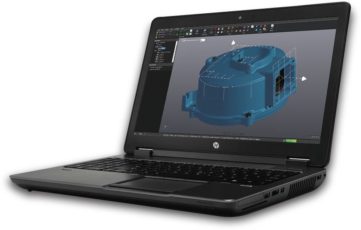
VXremote
Remote Access Software Application for 3D Measurements in the Field
VXremote is Creaform's remote access software application used to increase users’ efficiency in the field by providing fast and easy remote access to VXelements, the 3D software platform that powers Creaform’s entire fleet of 3D scanning and measurement technologies. VXremote enables users to better visualize real-time scanned data and change parameters—even when they are far from their laptops. It is particularly useful when scanning large objects or when the scanning has to be performed in constrained or remote areas.
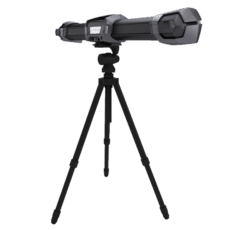
VXtrack
A Dynamic Tracking Software Module
Included with C-Track, a complete portable 3D measurement solution. VXtrack will accelerate your manufacturing and quality control processes. From assembly control and monitoring to crash-test dummy applications. It accurately and efficiently measures the positions and orientations of reflectors in space; all measurements can be taken simultaneously and accurately. This makes it possible to control displacements, drive assembly processes or measure deformations.
Not Sure Which Scanner is Right For You?
If you want to speak to an expert today – CALL 1-888-888-7686
PROFESSIONAL & INDUSTRIAL PORTABLE 3D SCANNERS
Proto3000 carries an entire portfolio of handheld 3D scanners from CREAFORM designed to help you accelerate product development workflows without compromising on quality control requirements.
Stay ahead of the competition with professional and highly accurate metrology solutions.
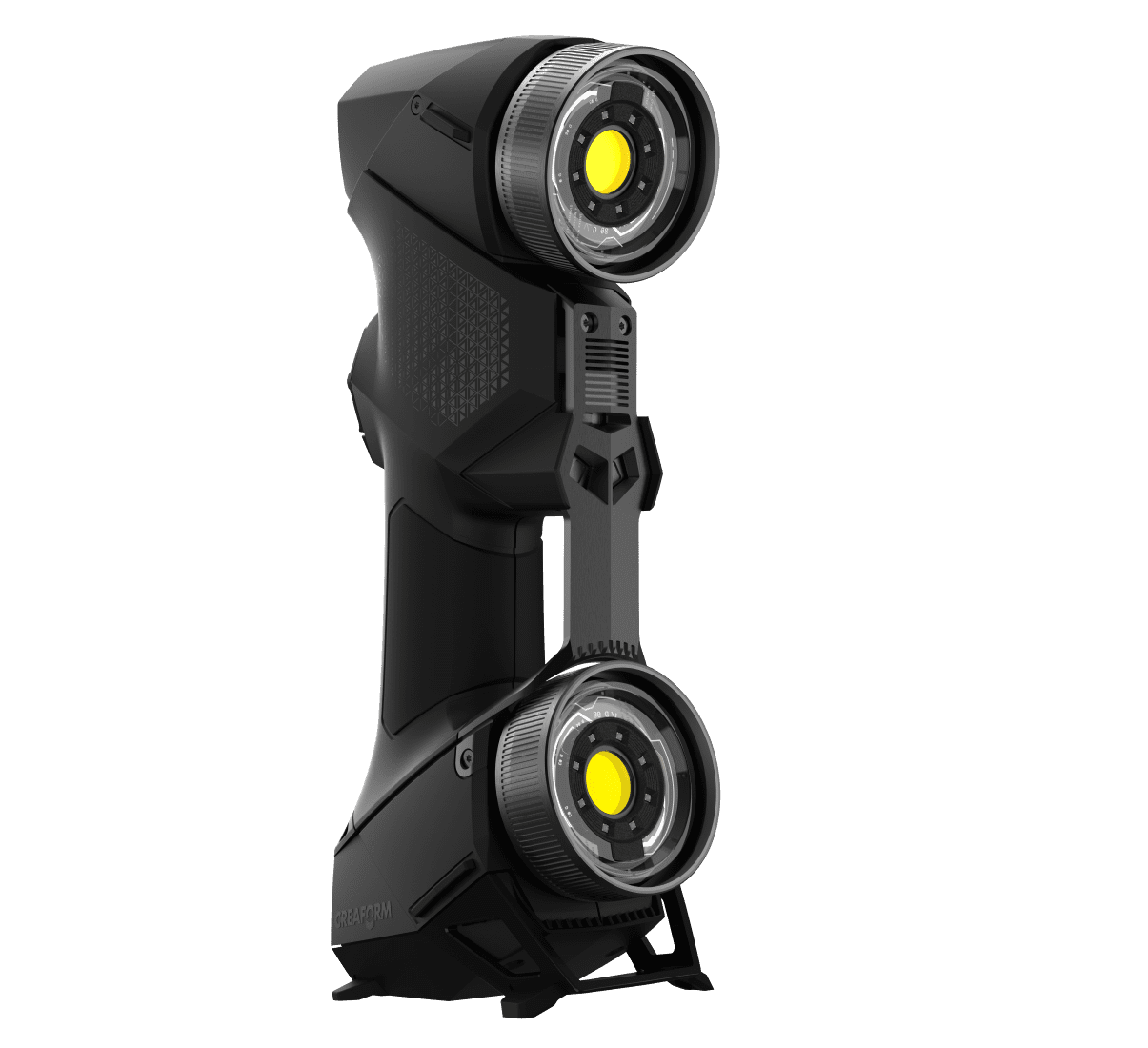
HandySCAN 3D | BLACK Series
Metrology-grade Portable 3D Scanners
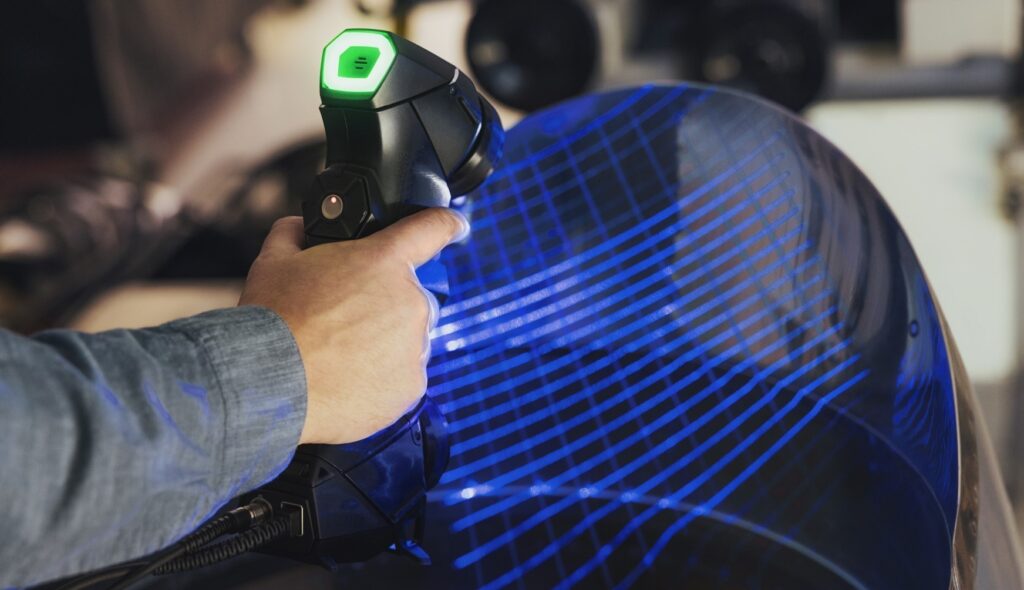
The HandySCAN 3D™ scanners meet the requirements of design, manufacturing, and metrology professionals who want an efficient and dependable way to record precise 3D measurements of physical objects in any location.
|
Accuracy 0.025 mm | 0.0009 in |
Resolution 0.025 mm |
HandySCAN 3D | SILVER Series
Professional 3D Scanners
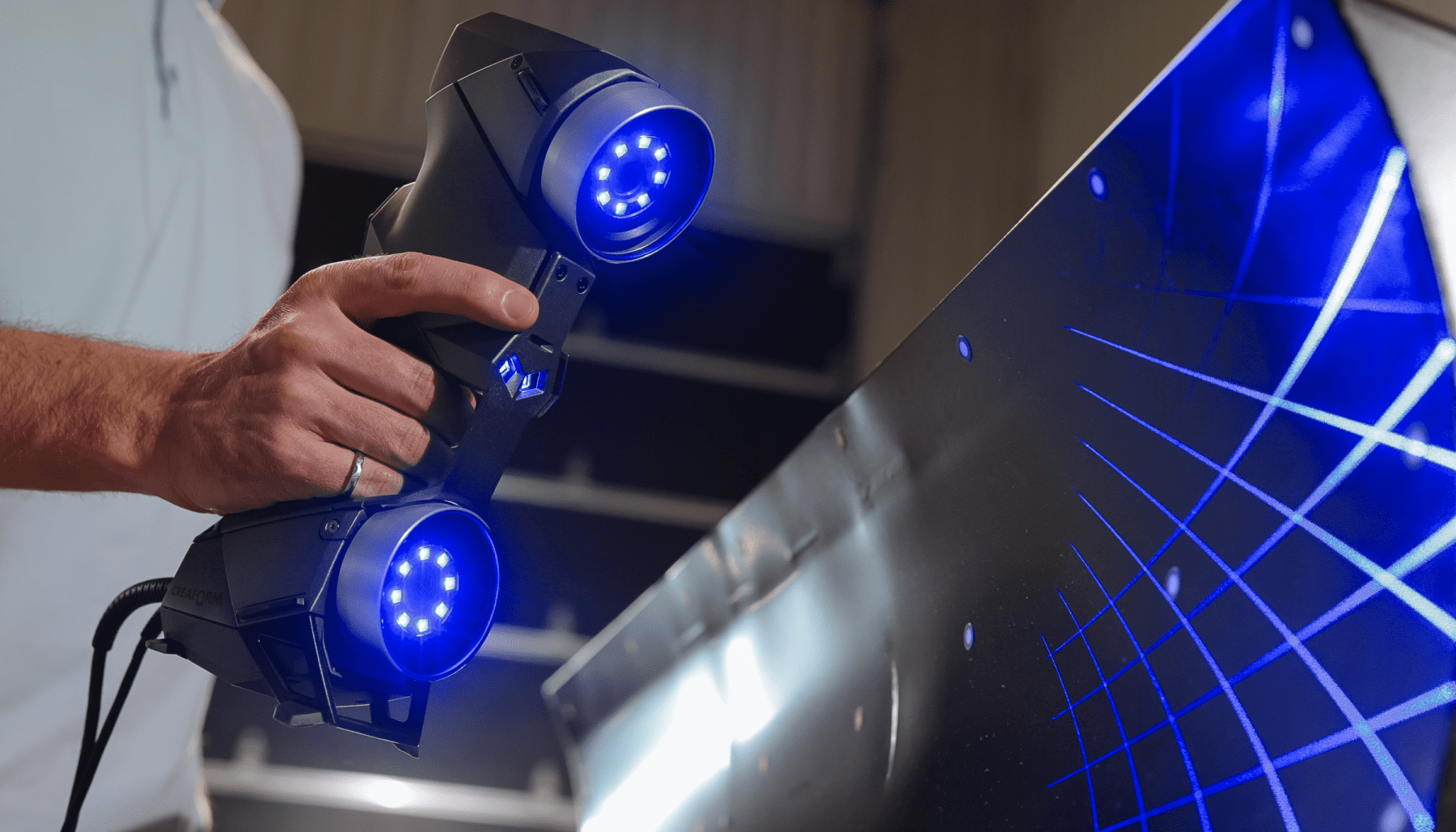
 The SILVER Series is part of Creaform’s HandySCAN 3D™ lineup, the industry standard in portable metrology-grade 3D scanners. This proven and trusted patented technology captures accurate and repeatable 3D measurements of any complex surface and in any location.
|
Accuracy Up to 0.030 mm |
Resolution 0.030mm |
HandySCAN 3D | MAX Series
Portable 3D Scanners for Large Parts
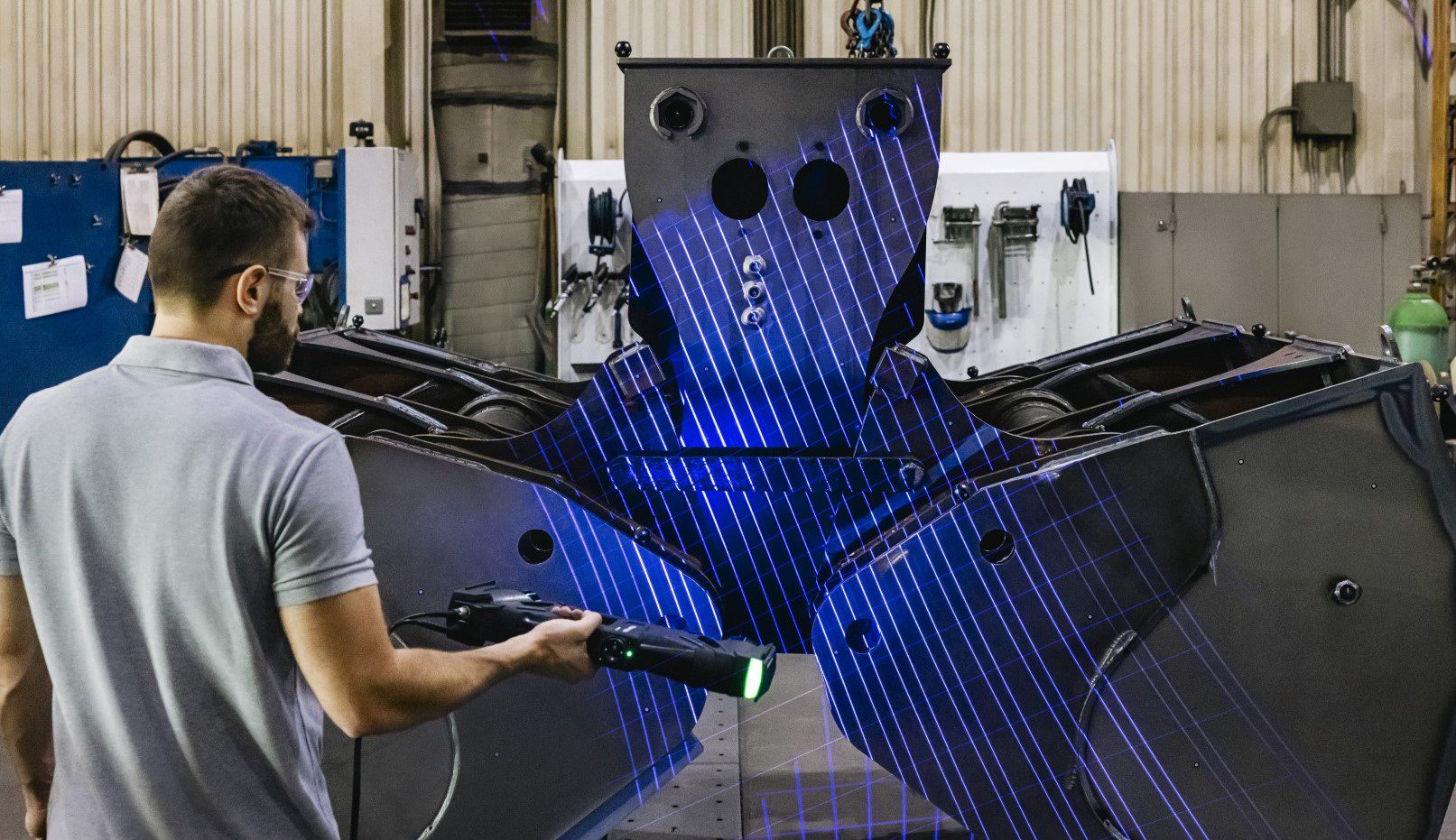
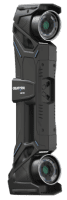 Engineered for capturing intricate details and efficiently scanning large volumes, the HandySCAN 3D | MAX Series empowers professionals to measure large components and assemblies with ease, delivering top-notch 3D scans within minutes.
| Accuracy
0.075 mm | 0.0030 in |
Resolution
0.04 mm | 0.0016 in |
MetraSCAN 3D
Optical CMM 3D Scanners and Probe
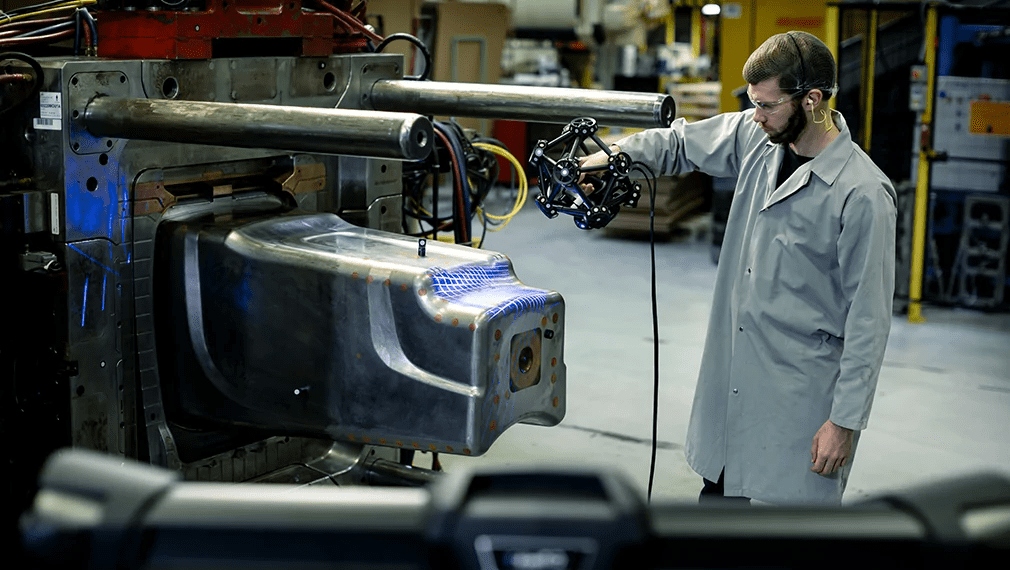
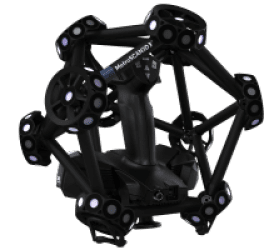 MetraSCAN 3D is the most flexible portable 3D measurement solution engineered for shop floor conditions. It’s built to endure the rigours of any production setting, including vibrations on the shop floor, part movements, and environmental fluctuations. It delivers precise and consistent metrology-grade measurements and 3D geometrical surface inspections.
|
Accuracy 0.025 mm |
Resolution 0.025 mm |
Go!SCAN 3D/SPARK
Portable 3D Scanner for Product Development
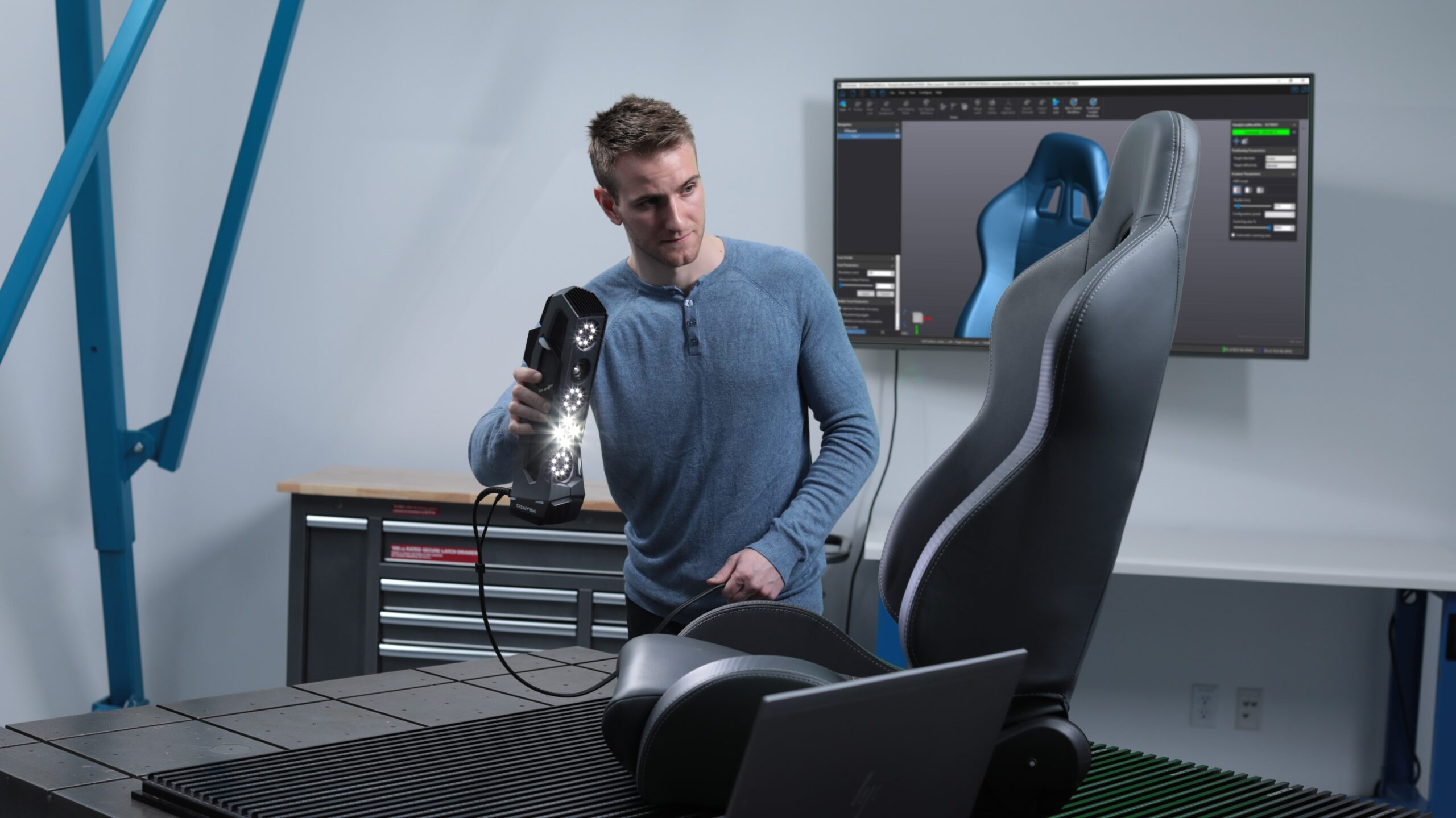
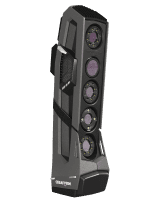 Scan any object without set-up time and acquire flawless texture, geometry, and high-definition details in vivid colour. Go!SCAN SPARK™ is an ideal tool for the product development phase as it quickly measures any complex surface so that you “get it right” the first time.
| Accuracy
Up to 0.050 mm |
Resolution
0.100 mm |
