
The Competitive Edge: Leveraging Modern 3D Printing for Rapid Prototyping in 2026
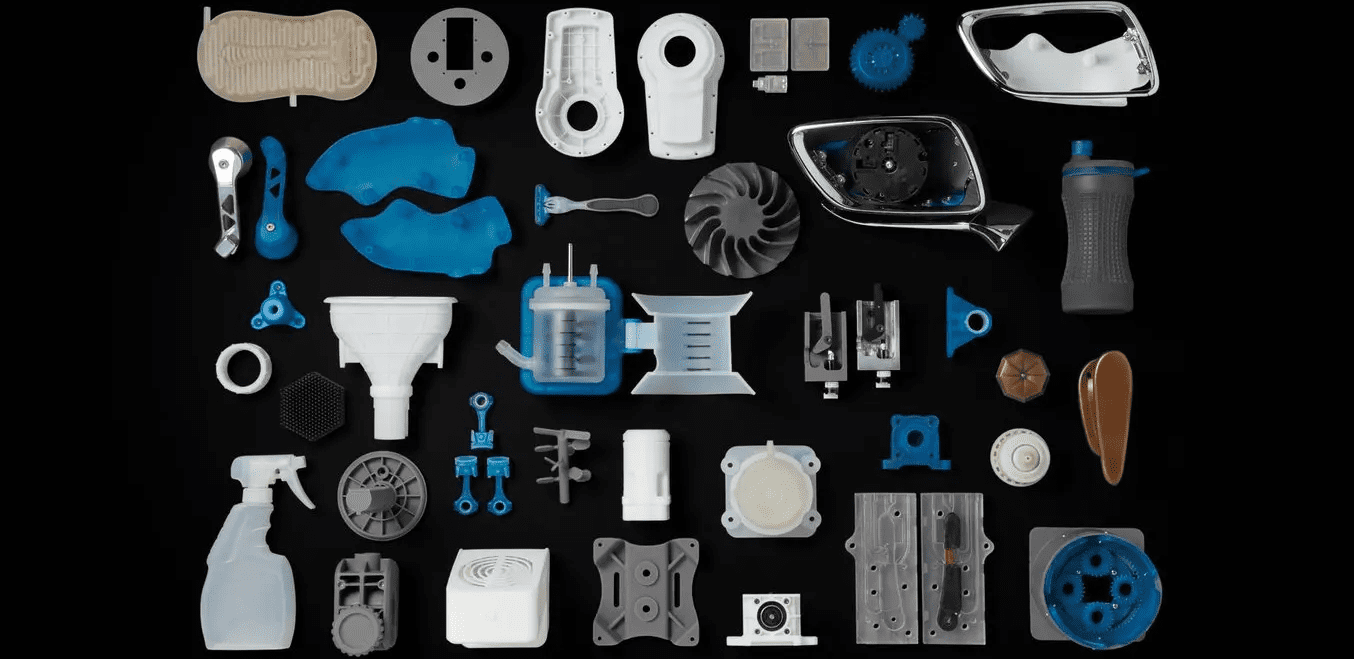
Enter rapid prototyping. Using 3D printing technology, rapid prototyping fosters a wide range of techniques and prototyping processes that are impossible with conventional prototyping. Designers can create 3D scale models of a part or finished assembly that demonstrates the functioning of the finished product.
In product development, the “First-to-Market” advantage is often the difference between a market leader and an also-ran. Without a physical proof-of-concept, even the most brilliant engineering remains a risk. Traditionally, prototyping was a bottleneck—expensive, slow, and requiring specialized tooling.
Today, Proto3000 is redefining “Rapid” in Rapid Prototyping. By leveraging next-generation additive manufacturing, we help firms move from CAD to functional parts in hours, not weeks.
Here are the 5 modern advantages of using Proto3000’s 3D printing ecosystem for your next prototyping cycle:
- Ultra-Fast Iteration (The “Form 4” Standard)
Speed has evolved. With the introduction of technologies like the Formlabs Form 4 and HP Multi Jet Fusion (MJF), we have moved beyond overnight prints. Many prototypes can now be produced in under two hours. This allows engineering teams to complete multiple design-sprint cycles in a single workday, drastically reducing the total R&D timeline. - Eliminating Tooling Costs and Constraints
Traditional prototyping often requires “soft tools” or CNC setups that cost thousands and take weeks to fabricate. 3D printing requires zero tooling. Whether you are using Selective Laser Sintering (SLS) for durable nylon parts or Laser Powder Bed Fusion (LPBF) for metal prototypes, your only “tool” is your digital file. This eliminates the financial risk of design changes; if a part doesn’t fit, you simply tweak the CAD and hit print again. - Functional Testing with End-Use Materials
A prototype is only useful if it behaves like the final product. Proto3000 offers an industry-leading library of materials that mimic (or exceed) production plastics and metals:- High-Temp Resins: For wind-tunnel and thermal testing.
- Biocompatible Materials: For medical device validation (ISO 13485 compliant).
- Production Metals: Using metal 3D printers to create prototypes in 17-4 PH Stainless Steel or Inconel.
- High-Fidelity Visibility and Metrology
Modern rapid prototyping isn’t just about “looking” like the part—it’s about precision. By combining 3D printing with 3D Scanning, Proto3000 allows you to perform “Part-to-CAD” analysis. You can verify the accuracy of your prototype instantly, identifying potential manufacturing defects before you ever invest in mass-production tooling. - Seamless Transition to Bridge Production
The line between “prototype” and “production” is blurring. With technologies like HP’s MJF, the same technology used for your initial prototype can be used for “Bridge Production”—the first 1,000 units while you wait for injection molds to be finished. This allows you to generate revenue and gather user feedback months ahead of schedule.
Start Your Next Project with Proto3000
Don’t let traditional manufacturing lead times stall your innovation. Whether you are looking to bring 3D printing in-house or need the support of our professional ISO 9001:2015 certified manufacturing services, our team is ready to help.