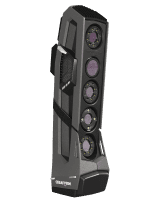
3D Laser Scanners - SCAN your part in 3D!

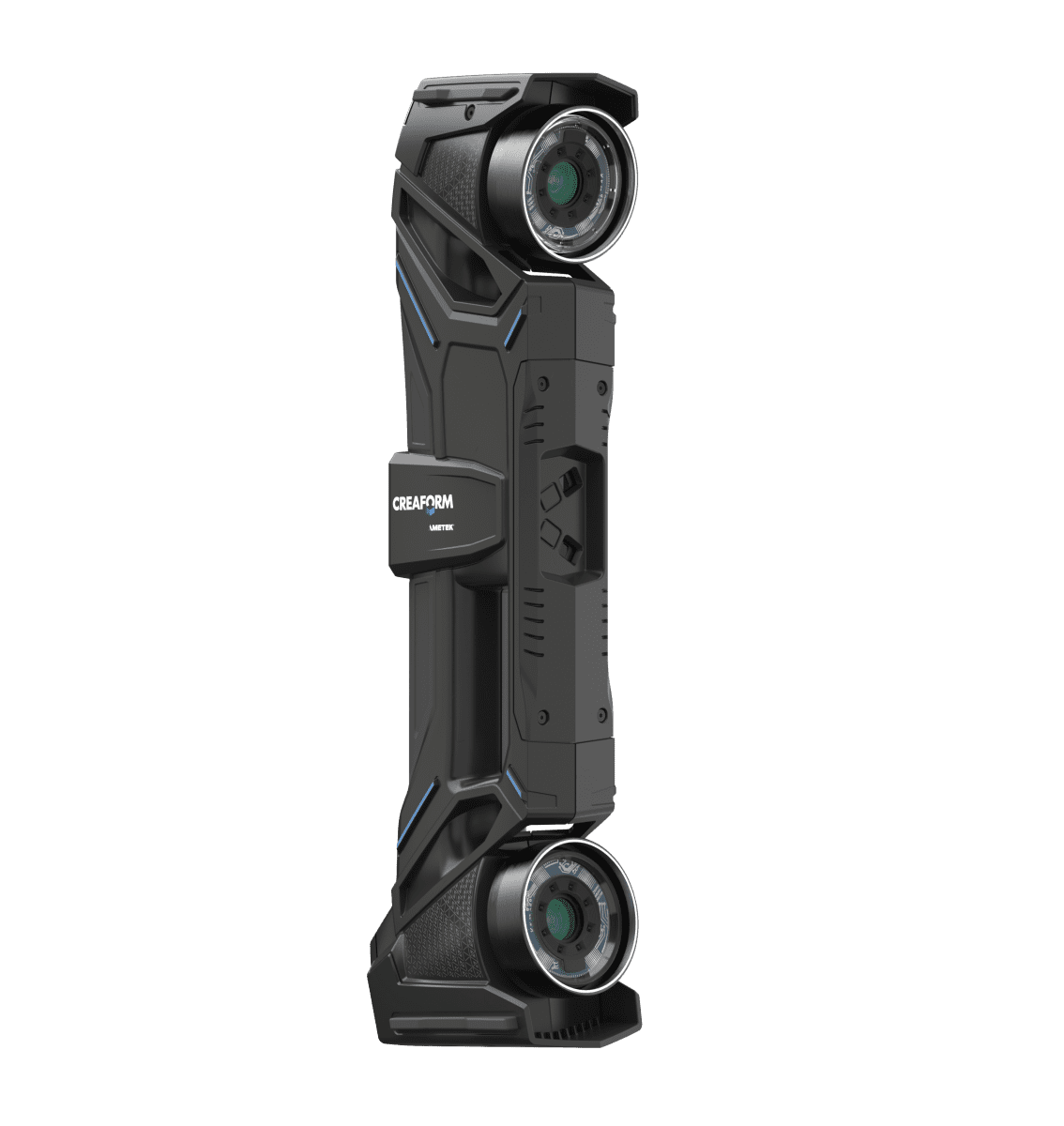
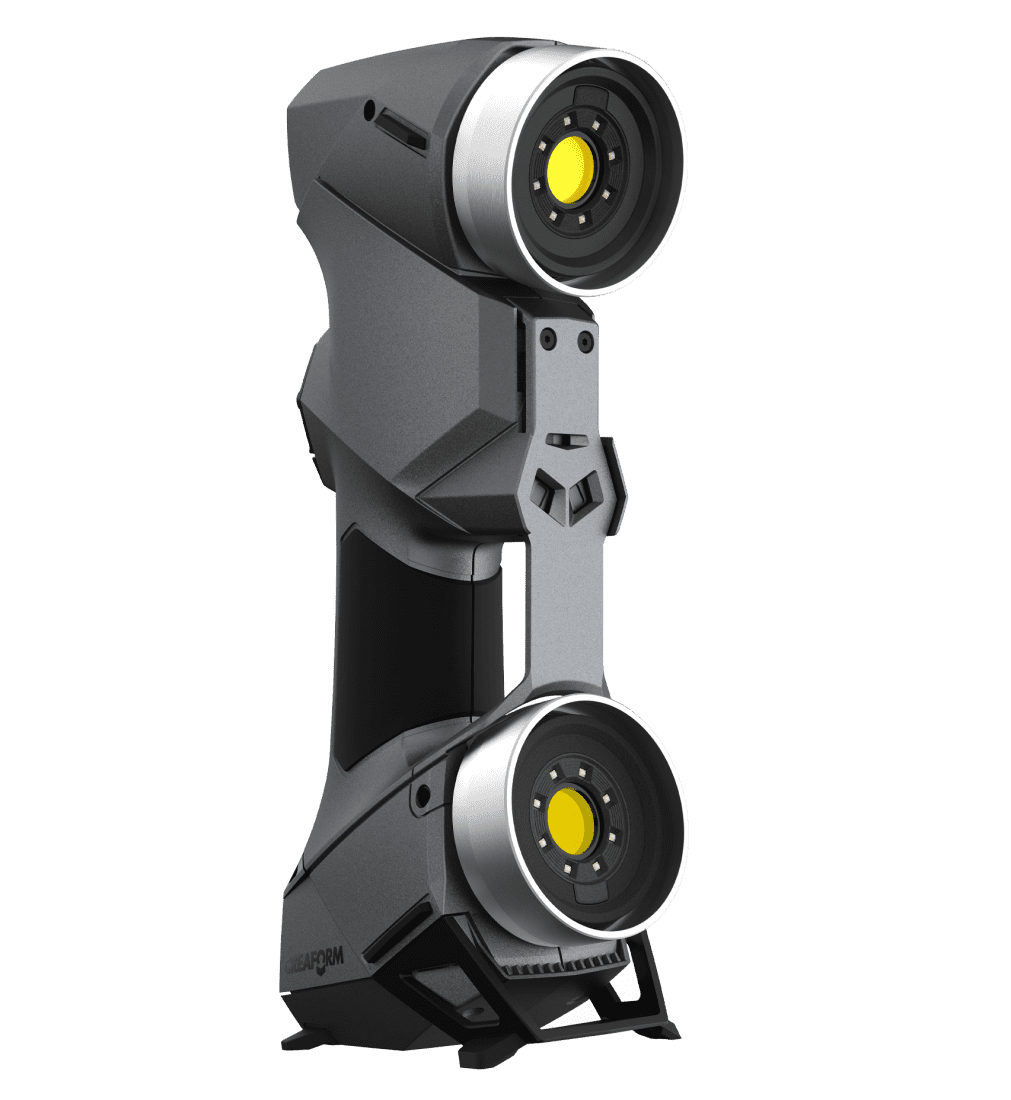
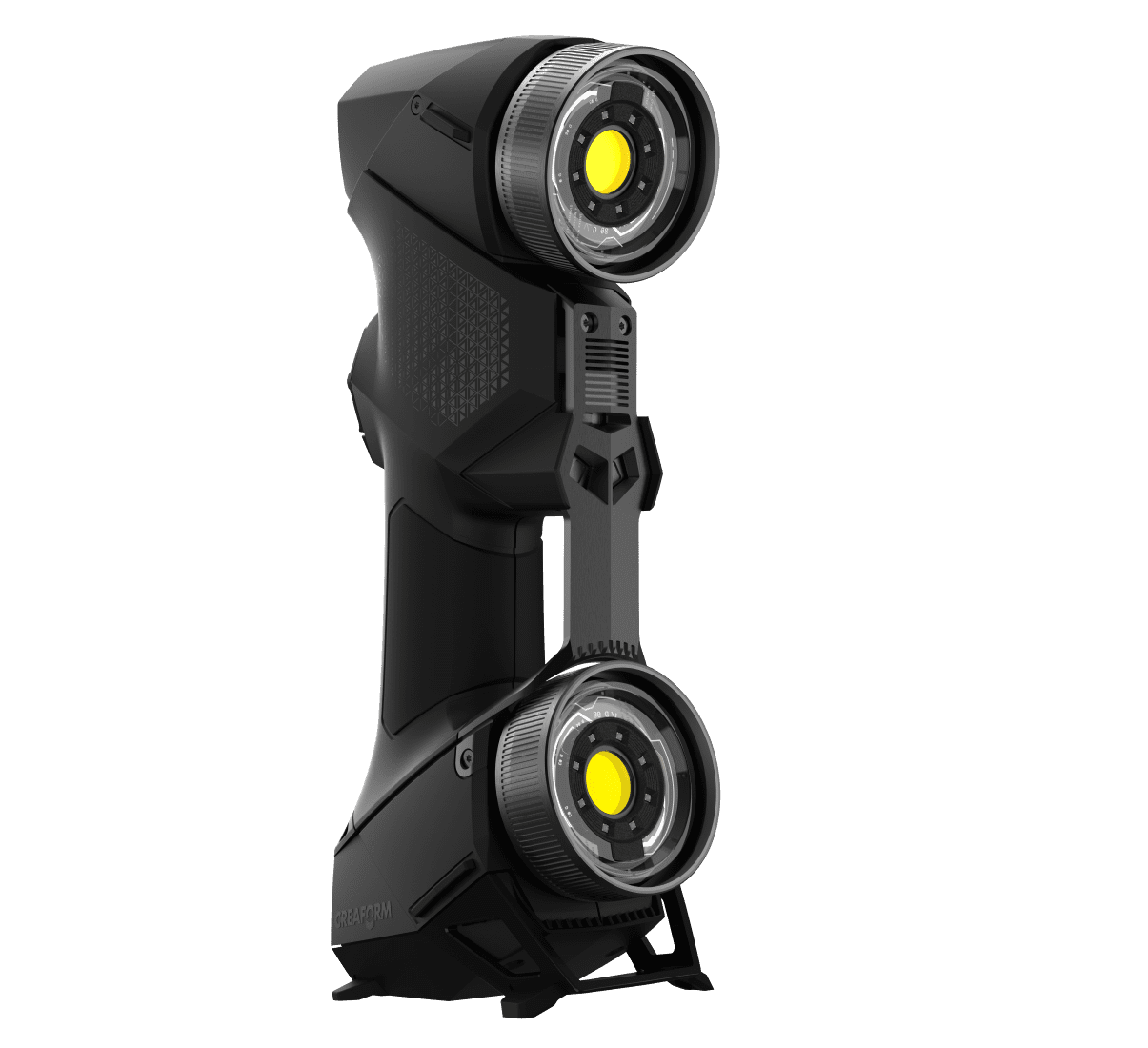
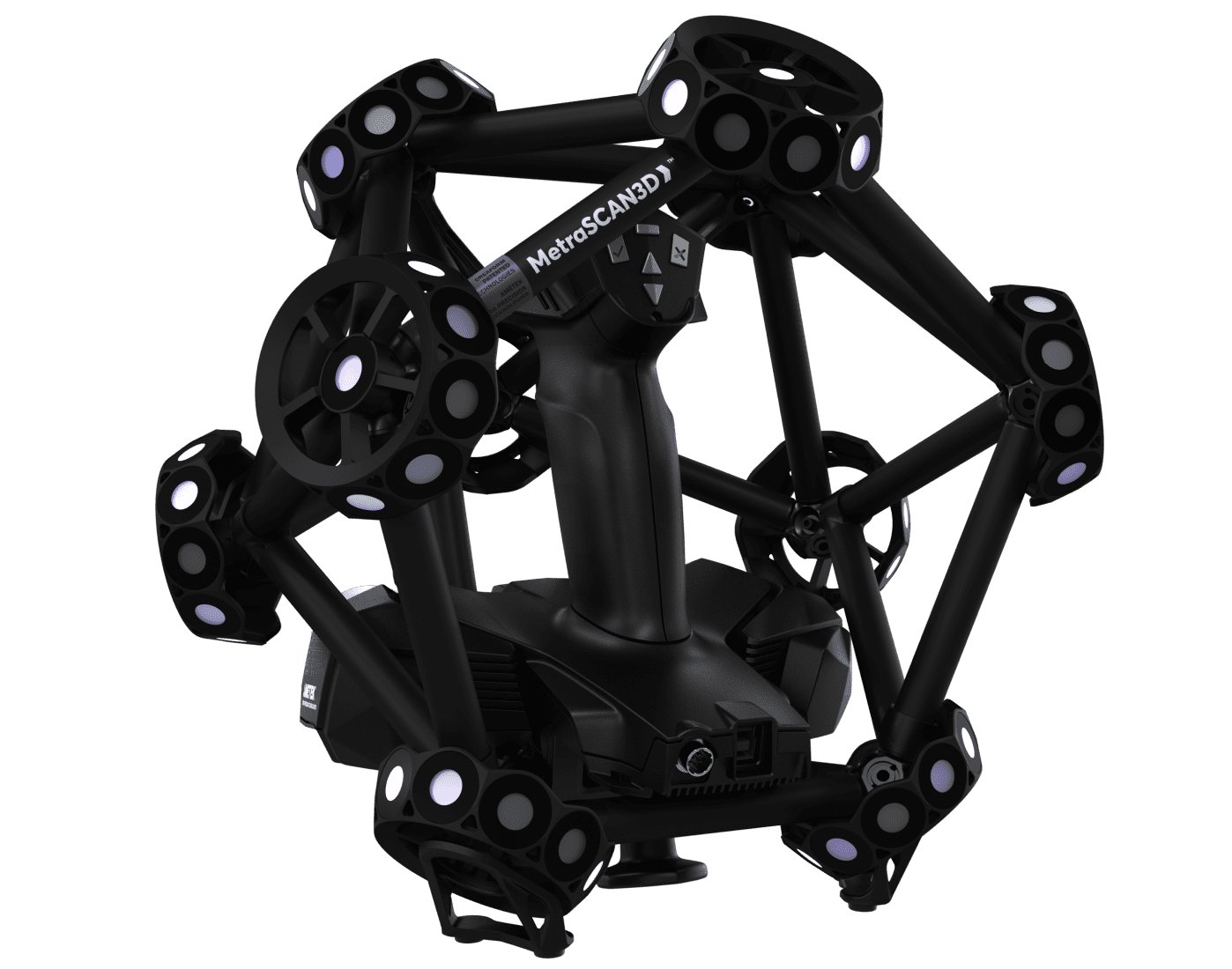
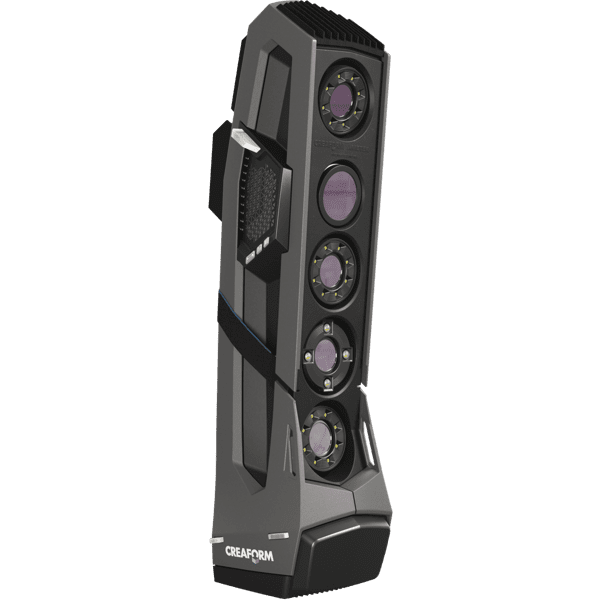
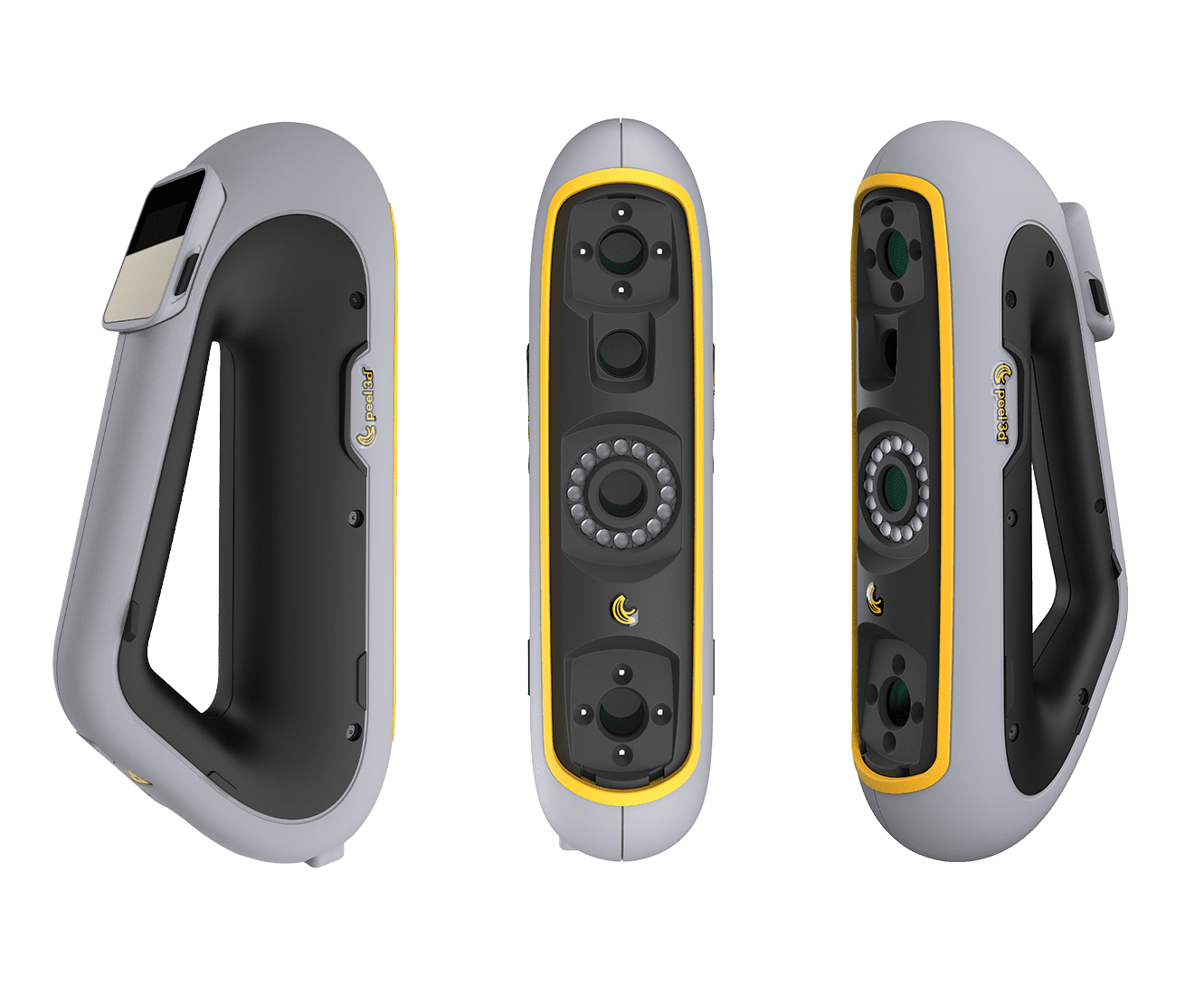
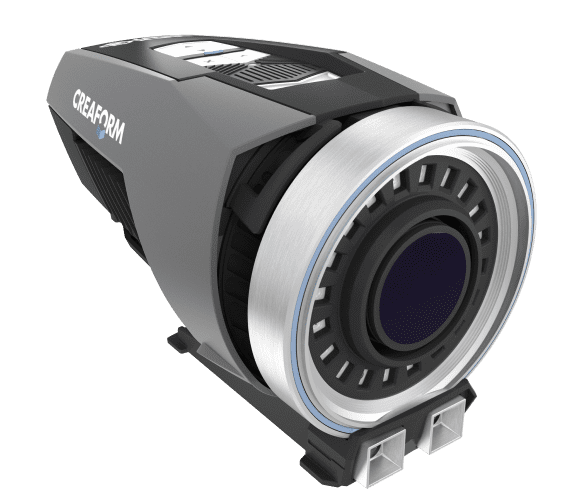
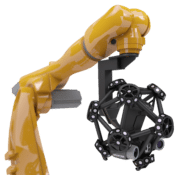
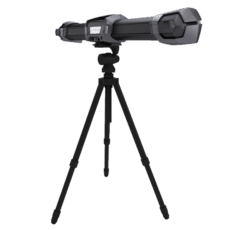
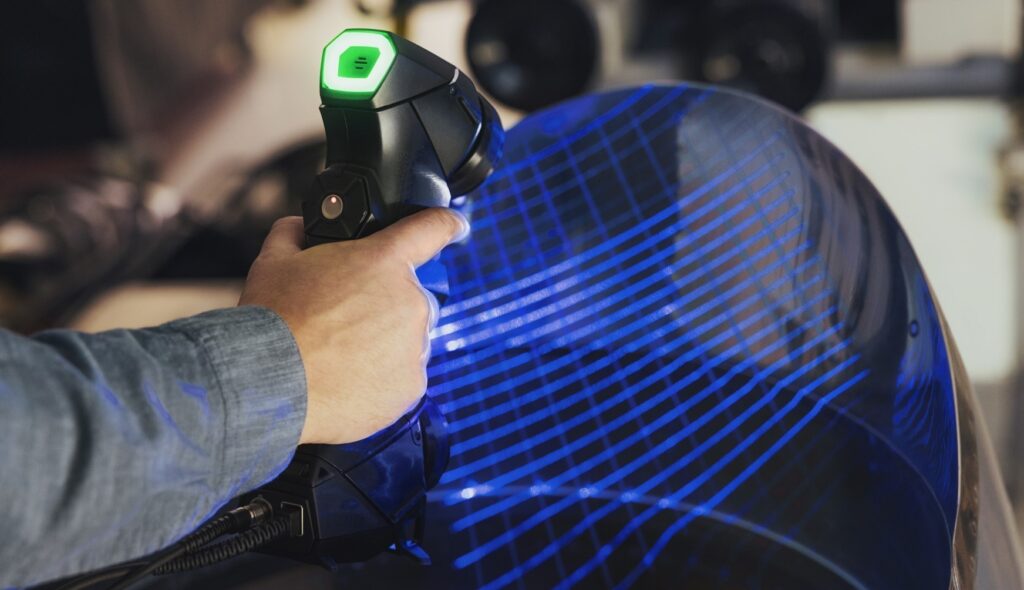
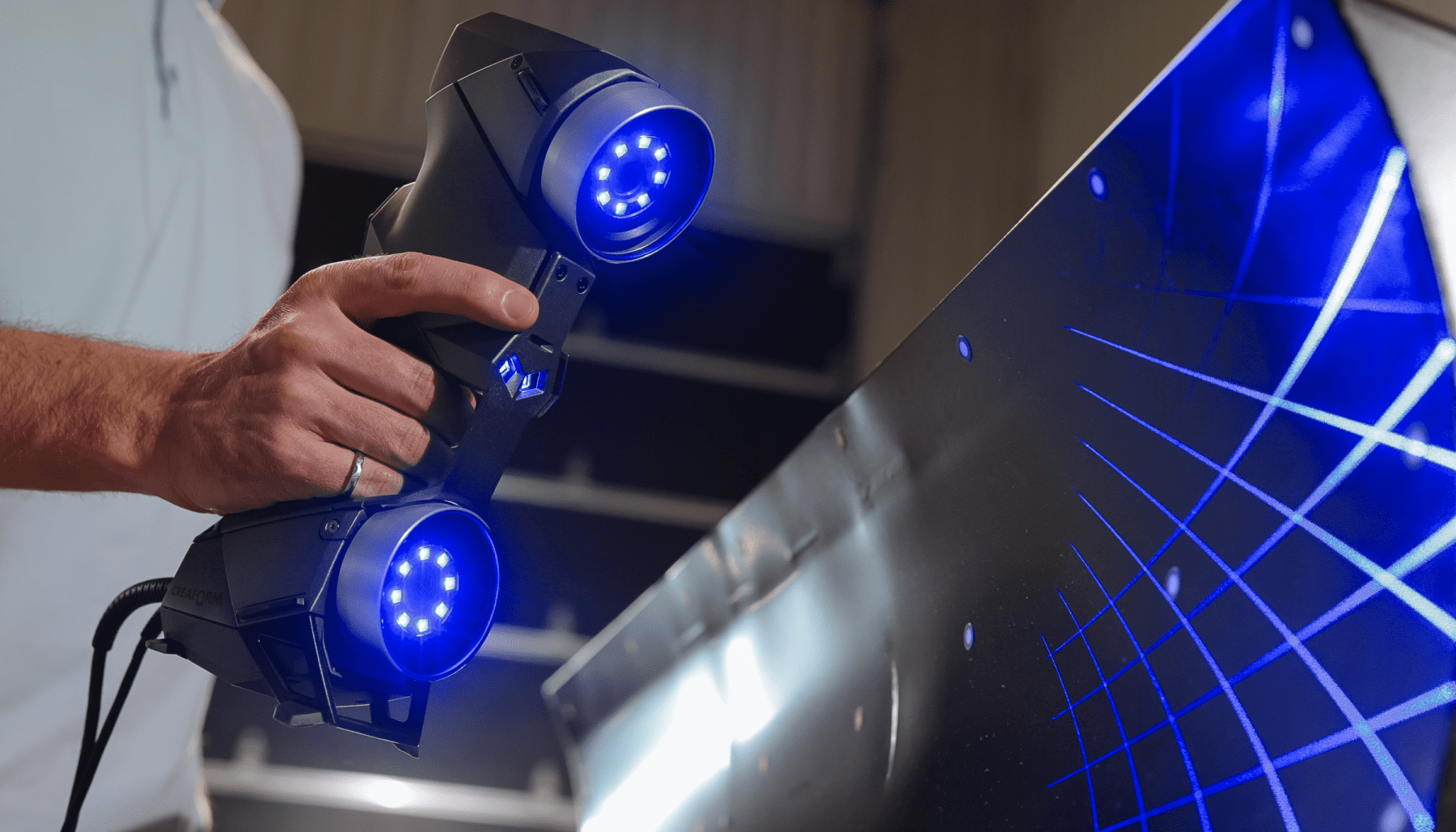
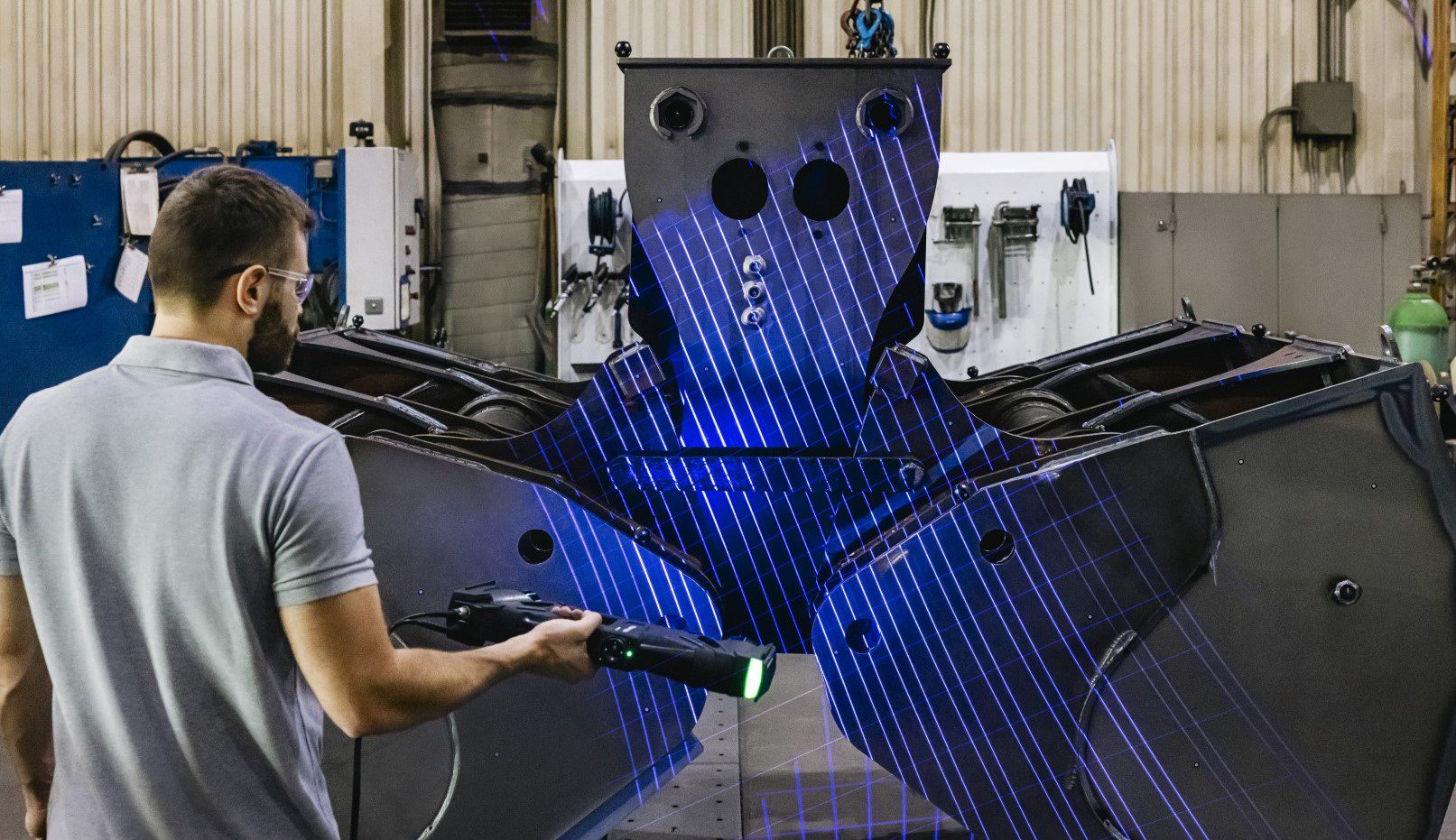
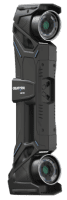
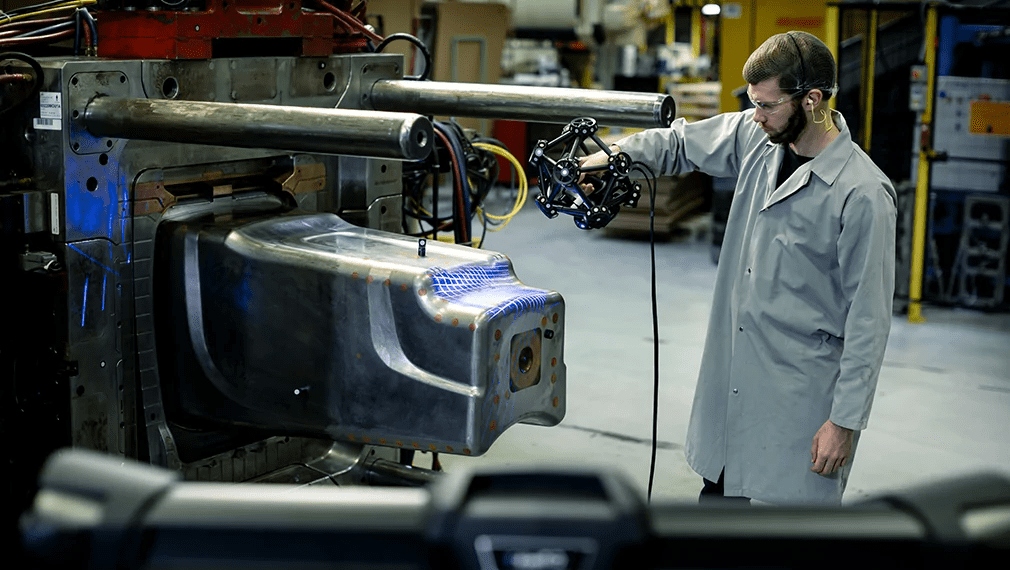
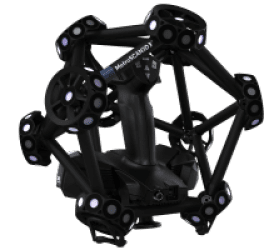
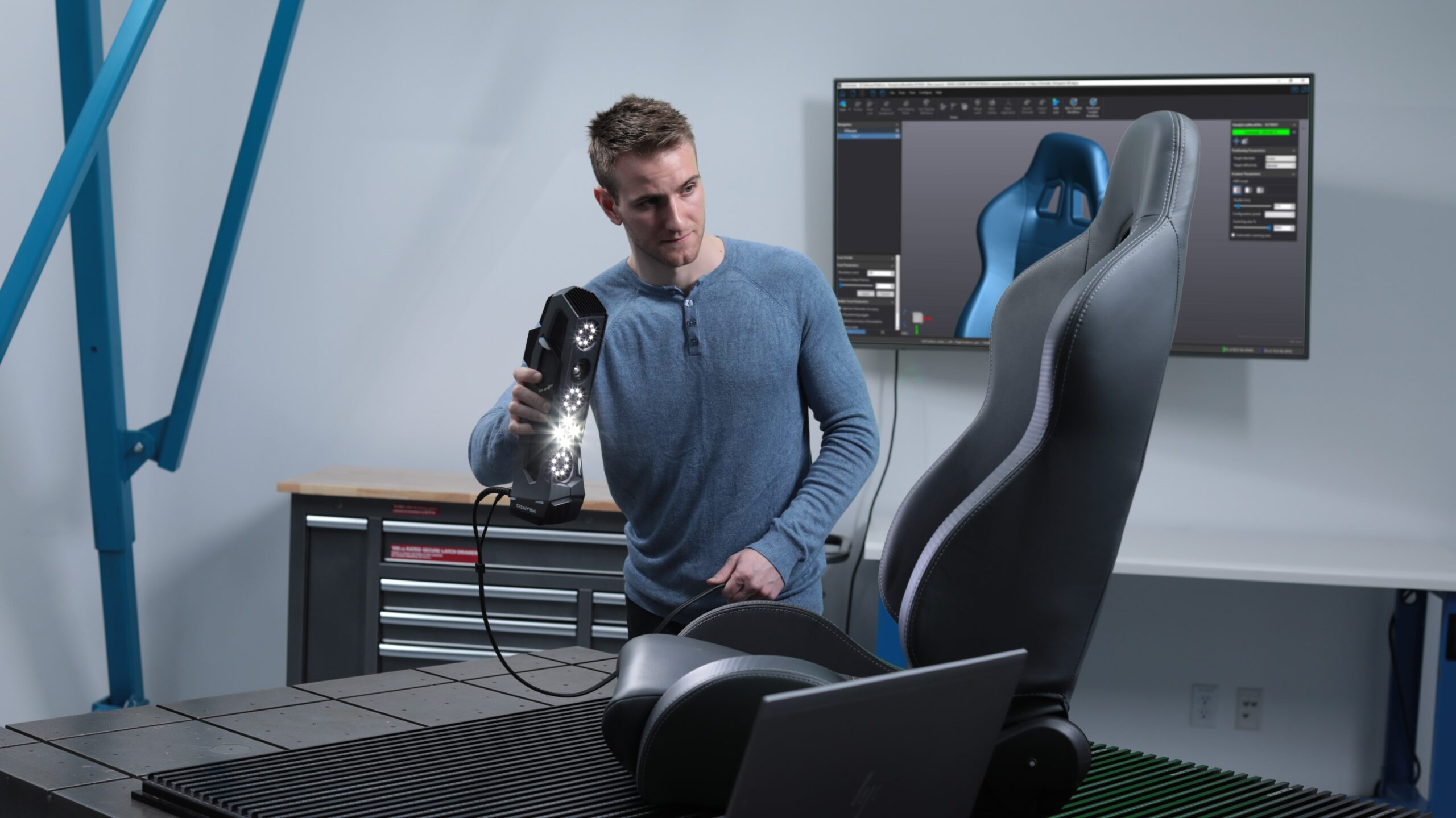
3D scanners are often used for modeling three dimensional models which may be used for future 3D rendering. 3D scanners from the Handyscan 3D line-up are; self-positioning, truly portable, handheld laser scanners that offer the latest technological innovations and offer powerful and efficient functionalities. Our 3D scanners have been designed to maximize the needs of today’s 3D laser scanning and engineering projects, while adhering to various budgets. If you are looking for user-friendly laser scanners to scan your part in 3D, please select a 3D laser scanner from the options below 

How do 3D scanners work? 

3D laser scanners send trillions of light photons toward an object and only receive a small percentage of those photons back via the optics that they use. With that technique, 3D scanners can build a 3D modeling object very quickly. 3D scanners produce a picture describing the distance information of each point to an object. Moreover, the 3D scanner photon’s probes the object surface at the speed of light.

3D Laser Scanners are commonly used for modeling three dimensional models for future 3D renderings. The HandyScan 3D series of scanners offer self-positioning, truly portable handheld laser scanners that boast advanced technological innovations and offer powerful, efficient solutions. 3D laser scanning allows the user to capture the physical properties of an object to the highest degrees of measurement and accuracy. The HandyScan line of 3D laser scanners exhibit the portability of this remarkable technology. Even the largest parts can be scanned with the mobility of HandyScan scanners. 3D laser scanning is used in various industries where product inspection and analysis are of the utmost importance. Proto3000 offers 3D laser scanners that have been designed to be easy to use, maximizing productivity and efficiency. The HandyScan lineup of 3D laser scanners lets you bring the metrology lab to wherever it is needed.

Having a digital copy of the physical world can be of benefit to many designers and product developers. the HandyScan line of 3D Laser Scanners has a scanner for everyone. Whether you are looking for colour 3D laser scanning, metrology applications, inspection, tooling inspection, or simply a CAD file from which you can rapid prototype or post process, a 3D laser scanner can be an asset in your business process. Please select from the options below, or scroll down to find out more about 3D laser scanning, and the HandyScan line of 3D Laser Scanners.


We have your Software Too!


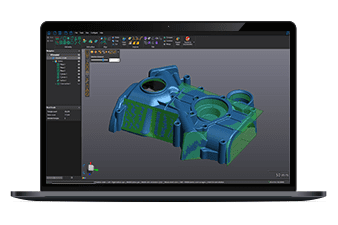
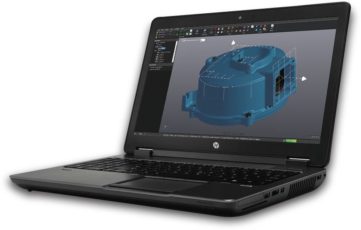
To ensure smooth and efficient start up, Proto3000 provides its customers with the VXElements data software system that is available for every Handyscan 3D lineup product. VX Elements is a fully integrated 3D data acquisition software that allows the execution of the measurement technologies provided by Proto3000.


How do 3D Laser Scanners from Proto3000 work?

Unique in their design and engineering capabilities, 3D laser scanners use their specific optics to send trillions of light photons toward an object while receiving a small percentage of those photons back . Leveraging on that technique, 3D scanners can build  3D models of diverse object very quickly. 3D scanners illustrate and describe the distance information of specific points to selected objects. Moreover, the 3D scanners' highly technological and scientific capabilities allow for photons to probe  object surfaces at the speed of light.


Why use 3D scanners? 

3D scanners are commonly used to acquire the distinct coordinates of millions of points of an object in order to directly generate a polygonal mesh of the part and recreate it in 3D.3D scanners help conceive, conceptualize and create complex forms, or present a visual interpretation of a project, item or idea. With the high -tech models produced by the 3D scanners,reproduction or tracing of shapes and objects becomes faster and more efficient. Widely used in the automotive and aerospace industries as aides in design and product development, the 3D scanners are also quite commonly found in the entertainment industry-used to digitalize 3D models for movies and video games, for example. Additionally,3D scanners are increasingly utilized in the health sector (specifically orthotics) to capture a 3D shape of the patients.

Basic terms: Scan your part in 3D in Real Time!  


Parts that have been scanned in 3D for Reverse Engineering purposes and applications.

Automotive aftermarket accessories, Automotive parts and trim, Bearings, Plastic Containers and Boxes, Brackets, Bumpers, Bushings, Casters, Cables & Clamps and Hoists, Clothes Hangers, Connectors, Consumer products, Conveyor Components, Electronics (consumer & industrial), Fasteners, Furniture components, Gears, Air Conditioning components, Computer casings, frames, human hand, human face for animation, airplane parts, handcrafted wooden masks, Handles and knobs, Hospital equipment, Lids, Marine parts & accessories, Medical equipment and components, Plugs, Plumbing fixtures, Spools, Sports and recreation equipment, Telecommunications equipment and components, Trophy and award components, Valves and components, Wheels, Alcohol Pouring systems, Beer on tap pouring levers, Liquor bottle shelf holders, etc, etc.

Benefits: 

Self-Positioning 3D Laser Scanners


The Handyscan series of  3D laser scanners are the first self-positioning scanners on the market. Utilizing  parts being scanned, the digital scanners establish their spatial reference.
The technology behind it
During the scanning process, the Handyscan 3D scanners locate and capture the reflective positioning targets in real time. Their respective positions are calculated in reference to the scanner and then recorded. The targets on the object create patterns recognizabled by the Handyscan 3D scanners. The patterns (defined by the positioning features) do not repea,t because the targets are applied randomly. This pattern recognition allows the scanner to position itself in the same way that GPS devices use known satellites to establish their position on Earth.
No external tracking or positioning device is needed
The handheld Handyscan 3D laser scanners do not require any external tracking devices like a CMM or a measuring arm to establish their location or reference in relation to the object.
Flexibility of movement (free-flowing movement)
Reflective targets allow end users to freely move the object, scanner or both, while scanning without losing track of the scanner’s position in reference to the part. This advantageous feature comes in handy for engineers scanning large or obscure objects.

User Friendly


In today's continuously evolving world, every engineering and design team must realize that technology, speed and versatility are crucial components that will help them stand above the competition. It is therefore very important to utilize tools that are user friendly and adapt to specific needs, so that results can be delivered in a fast, reliable manner.
Short learning curve
The Handyscan 3D laser scanners are extremely powerful, versatile and user friendly. The Handyscan3D scanners come equipped with easy-to-learn,top-rated intuitive VxScan™ software.This software offers users a wide array of functionalities and options. Traditional laser scanning technologies can cause struggle with bulky and complex measuring arms. With the Handyscan 3D scanners, the utilities, and options are easy to use and are versatile to the specific needs of the end user (i.e hands-free). These scanners  position themselves in reference to the partallowing for quick, efficient scanning procedures. Measuring arms can also hinder data and mask information making them unreliable data sources.
3D real-time rendering
During the scanning procedures with  the Handyscan 3D devices , a real-time surface reconstruction of the object is shown on the computer screen. This feature allows the user to see the specific section of the part that is currently being scanned and which areas need more detail.
This feature is not available with traditional scanners.T raditional scanners only generate a fuzzy point cloud. With the Handyscan 3D scanners, it is  possible to make partial scans, stop to visualize the scanned part on the computer, and seamlessly resume scanning- which are beneficial aspects to any project.

Accuracy - Handheld 3D Laser Scanners with high accuracy

Data quality
Time saving scanning, ensures that manufacturers can work with high quality data, to emit efficient and reliable results for best design and analysis.

Traditional scanners
Traditional scanning technology may utilize overlapping between scanning strips to generate a result. With the Handyscan technology, scanners are designed to overlap these strips and avoid any unnecessary noise to ensure high accuracy and top level scanning.

No more point clouds
Traditional scanning technology may be challenged for accuracy in data acquisition. However, the Handyscan lineup of scanners are designed with a Surface Optimization Algorythm, with avoids point clouds, thus allowing for an accurate collection of data and material. The Handyscan scanners improve the quality of collected data with each additional scan, rather than skew the results with layering.


Powerful data acquisition
VxScan™, offers the possibility of performing multi-resolution scans  using Proto3000’s proprietary data acquisition software that supports the Handyscan 3D line-up. The multilevel scanning solutions ensure that Sections needing fewer details can be scanned at lower resolution, while sharp edges and more detailed areas can be scanned at higher resolution. This function ensures that accuracy remains a top priority without compromise due to size or shape.
Handyscan 3D Accuracy Specifications

  • REVscan - Up to 50 µm (0.002 in)
  • EXAscan - Up to 40 µm (0.0016 in)

How does the EXAscan allows for optimum resolution ?
The EXAscan provides optimum resolution results with its automatic multi-resolution feature which enables the scanner to automatically set the highest mesh resolution for any surface acquired in “High Resolution” mode.
Thanks to its automatic multi-resolution feature: The automatic multi-resolution feature enables the scanner to automatically set the highest mesh resolution for any surface acquired in “High Resolution” mode. This reduces the post-processing step accordingly, since it is no longer necessary to increase the mesh resolution manually.


Low Cost 

The handheld Handyscan 3D laser scanners are very competitively priced among traditional laser scanners.
The Handyscan 3D laser scanners offer a series self-positioning devices, most of which do not require the purchase of an expensive CMM, measuring arm, or external reference additive.

The Handyscan 3D laser scanners :

  • Ingenious mechanical design
  • High level of reliability
  • Require virtually no maintenance
  • Do not require any external tracking systems (such as a portable CMM)
     
  • Seldom require repair, which decreases downtime and counterproductivity
  • Faster setup and prep time lower cost further
  • Setup time and the actual time spent collecting or capturing the data are minimal
  • No virtual set up/ installation time required.
  • The Handyscan 3D scanners offer a quick, effortless connection to a laptop computer via a Fire Wire cable.
  • Low investment and maintenance costs


Short learning curve

The Handyscan 3D laser scanners:

  • Extremely easy to use, with a short learning curve of the software
  • Boast low implementation and startup costs .

Mobility


The Handyscan 3D laser scanners are a series of portable units  that fit accordingly into smaller or larger spaces. Weighing in at about 980 grams (2.1 lb), the Handyscan 3D units are light enough to carry anywhere.

From plant to plant, inside or outside!
The Handyscan 3D scanners are easy to transport to and from any location ( floor shop to  quality control laboratory), for on-site use and quick result reports.
- The users can take the unit with them to laboratories, plants, and outdoor testing units for quick in-field verifications at supplier sites, sibling entities, etc.

Transfrontier Transport
For users providing scanning services abroad , transporting the Handyscan 3D scanners in cars or on airplanes is a breeze!

The carrying case is small enough to check as on-board luggage
Standard size (fit under airplane seats or in most overhead storage bins)
Compact vehicle transporting size.


Versatility

The Handyscan 3D laser scanners offer generous versatility and flexibility because they  are compact, self-positioning devices.

Flexibility

The Handyscan 3D laser scanners
Do not need to be linked to any machines, since they are self-positioned.
Cost of acquisition of such unique technology is reduced since the scanned part doesn’t have to stay perfectly stationary.

Handyscan 3D laser scanners

  • Allow the scanning of small and  reduced visibility compartments, in as quick as a flash!
  • Require no additional hardware (such as bulky tripods and accessories)
  • No part size limit for best results

Handyscan 3D laser scanners offer better results because

  • They are not linked to any external tracking system
  • Virtually no limit to the size of parts that can be scanned, (microscopic or mammoth)


Scanning of parts of various colors, textures or finishes
All engineers strive for good data and efficient scans, regardless of colour, texture or finish of the parts to be scanned. Because dark colors absorb light, it is often difficult for a laser scanning system to see the laser trace or beam used to capture the shape.
However,with the Handyscan 3D scanners:
- The user may scan any various light intensities and exposures
- The user may alter images and designs using the software that is already provided


Handheld 3D Laser Scanning

The  REVscan and the EXAscan handheld devices had previously  raised the issue of human ergonomics. In order to ensure that the device’s shape would allow for  extended periods of use without leading to musculo-skeletal problems in the scanner’s operator upper body, Industrial designers and engineers were involved in the project, from inception to completion to guarantee safe usage.
From an ergonomic standpoint, the designers were faced with several challenges :

Respecting  the angles (used in scanning) followed by the human wrists and hands when using the device , while ensuring that the scanner’s line of sight would be aligned and centered accordingly.
Determining the optimum position for the handle versus the device’s point of aim in order to suit the natural angle of the wrist and hand.
Deciding  where to place the two pushbuttons on the device in order to minimize the operators range of movement .
Proper weight distribution and balance of the devices.

Why?

Rigorous testing and quality assurance of the Handyscan 3D laser scanners is continuously taking place because:
A significant difference of weight between components could cause a distortion on the assembly and of the accuracy measurements.
In order to find a way to build a light, rigid and rugged device that would comply with all mechanical and engineering specifications.
The materials used had to be light and rigid,  all the ergonomic features of the device were totally dependent on the lightness of the device.
Benefits of continuous testing
Upon completion of a thorough review of the different materials available on the market, designers elected light metals and plastics as the most suitable materials for the scanner’s manufacturing. The benefits to continuous testing of the product lineup ensures that the Handyscan lineup is offered as "top of the line" products and services.