
Overview
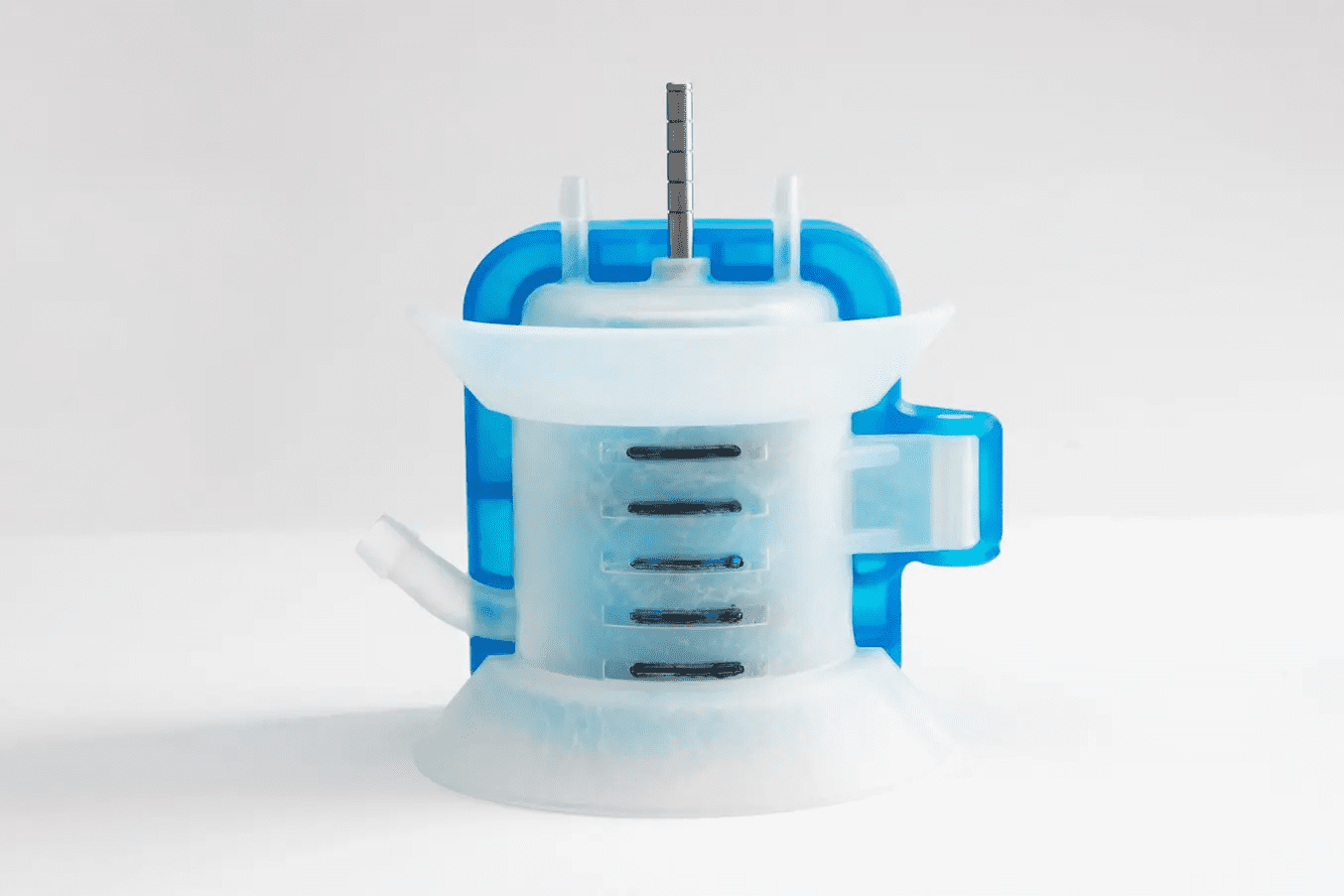
Surrogate parts (usually low-cost 3D prints, often made with Stereolithography/SLA) are essential for validating manufacturing and assembly processes. Though not fixtures or jigs themselves, they are used to test fixtures and jigs before final production parts are available. This practice allows lines to come online faster, iron out process kinks, and protect delicate, high-value components (like electronics) from damage during early testing.
SLA prints are preferred because their high dimensional accuracy, ability to replicate fine features, and isotropic properties (behaving more like injection-molded parts) make them superior to FDM or other methods for manufacturing validation and usability checks.
Application
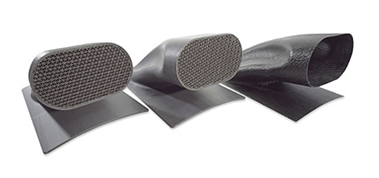
3D printing surrogate components with FDM allows you to produce as needed, with up-to-date configuration changes. FDM surrogates will help confirm clearances and interfaces for installation assessment, highlight any serviceability issues, and validate routing interfaces. As the final product is finishing, the surrogate parts may also act as training aids for technicians and service staff.
Process
Since FDM requires no tooling, design revisions are easily added in the following iterations when neighboring subassemblies are modified.
New surrogates are easily created according to the last design revision. The thermoplastic surrogates are also lightweight and non-marring, making installation easier and reducing the possibility of damage to nearby components.
Surrogate Configuration Options:
- Envelope Verify fit (space claim) and access for installation and service. – Basic: simplified representation that eliminates non-functional features. – Advanced: Complete representation for assessment of functional clearances (e.g. sway and cooling zones).
- Interface Validate routings and connections (e.g., fluid fittings and electrical connectors). – Integrated: interfaces constructed in surrogate. – Hybrid: production hardware mounted to surrogate.
- Ergonomic Represent weight and balance in training aids. – Ballast: add sheet, bar or shot material to surrogate.
- Smart Integrate feedback devices for surrogate detection and data capture. – RFID: encapsulate or attach tags for surrogate identification. – Sensor: embed or attach measurement devices.