
For decades, medical manufacturing relied on “one-size-fits-all” solutions. However, patient care is inherently individual. Today, additive manufacturing (3D printing) is dismantling the limitations of traditional production, allowing for patient-specific solutions that were previously impossible. Consequently, healthcare providers are seeing a dramatic shift in how they approach complex surgeries and long-term patient rehabilitation.
- Bioprinting: Engineering the Next Frontier of Regenerative Medicine
While industrial 3D printing typically utilizes polymers or metals, bioprinting uses “bio-ink”—a medium comprised of living cells. By depositing these cells with microscopic precision, researchers are now creating organoids (miniature organ models). These 3D-printed tissues allow pharmaceutical companies to test drug toxicity and efficacy on human-like structures before moving to clinical trials, significantly reducing costs and ethical concerns. The long-term goal? Eliminating organ transplant waiting lists by printing biocompatible, patient-matched organs. - Patient-Specific Surgical Guides and Instruments
Traditional surgical tools are designed for the “average” anatomy. 3D printing allows for the creation of custom surgical guides and instruments tailored to a patient’s unique bone structure or vascular map.
Precision: Surgeons can use 3D-printed guides that “snap” onto a bone, ensuring every incision and drill hole is exactly where it needs to be.
Reduced Trauma: Higher precision means smaller incisions, less blood loss, and faster recovery times for the patient.
On-Demand Sterility: Additive manufacturing enables hospitals to print specialized, single-use tools in sterile environments, reducing the logistics of traditional supply chains
3. Pre-Surgical Planning and Anatomical Modeling
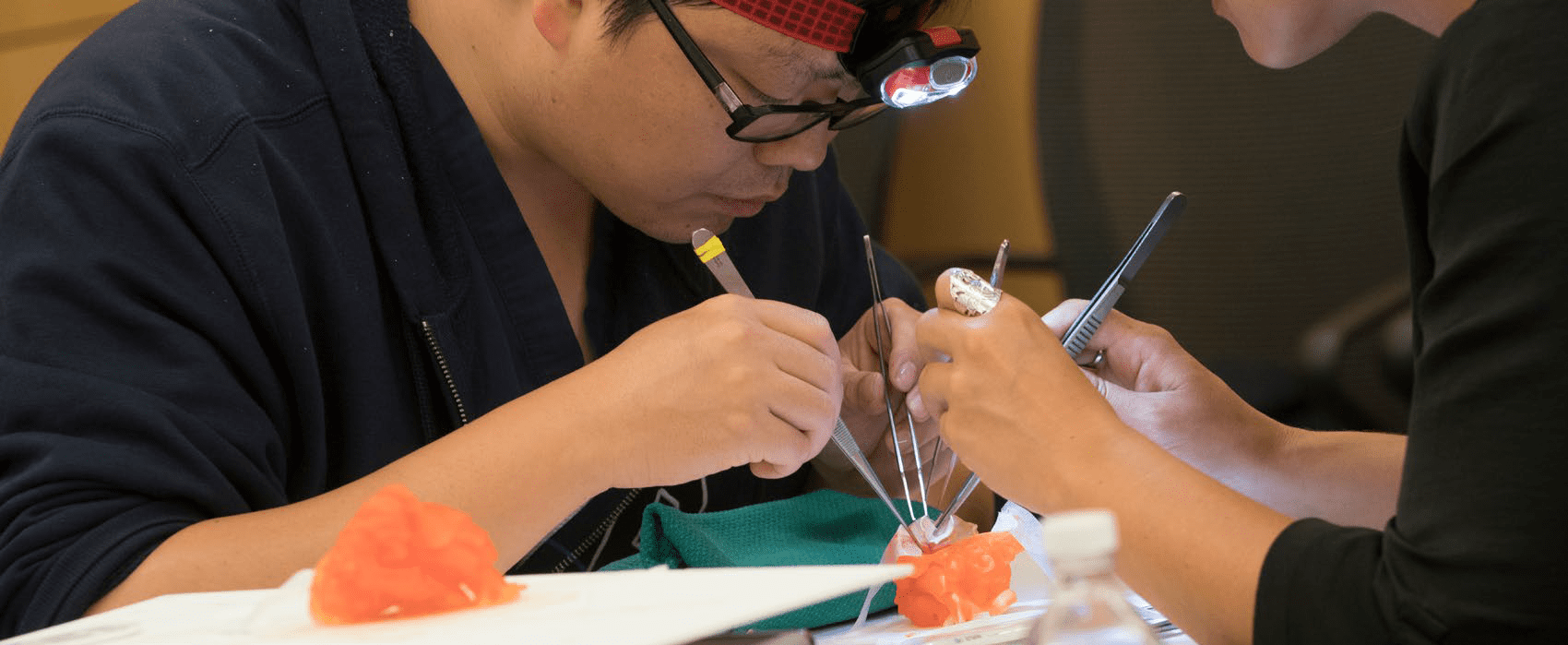
The most complex surgeries often carry the highest risk of “surprises” once the patient is on the table. 3D printing converts MRI and CT scans into high-fidelity, physical anatomical models. Surgeons can now hold a replica of a patient’s heart, tumor, or fractured skull before the first incision is made. This allows the surgical team to:
-
- Identify potential complications in advance.
- “Practice” the procedure to refine their approach.
- Decrease time spent under anesthesia, which directly correlates to better patient recovery rates.
4. High-Performance, Low-Cost Custom Prosthetics
Historically, a high-quality prosthetic limb could cost tens of thousands of dollars and take months to manufacture. For growing children, who require new devices every year, this is often a financial impossibility.
3D printing has democratized access to mobility. Using 3D scanning, a prosthetic can be modeled to the exact dimensions of a patient’s limb, ensuring a perfect fit that prevents skin irritation and discomfort.
- Speed: Production time is reduced from weeks to days.
- Customization: Beyond functionality, patients (especially children) can personalize the aesthetics, turning a medical necessity into a point of personal pride.
Why Additive Manufacturing is the Medical Standard of Tomorrow
The shift toward 3D printing in healthcare isn’t just about the “cool factor”—it’s about efficiency and personalization. As materials become more advanced and printers become more accessible, the barrier between digital imaging and physical treatment will continue to disappear.
Ready to integrate additive manufacturing into your medical workflow?
Proto3000 provides the specialized 3D printers, materials, and scanning services needed to bring these innovations to your clinic or lab.